


Super Bowl ads have always been more than just entertainment. They’re one of the few moments when brands are willing to take huge creative risks in front of a massive audience. That makes them a good place to see where advertising might be heading.
AI has become part of the production mix. Not as a future idea or a behind-the-scenes experiment, but as a normal part of production. Some ads made that obvious, while others never mentioned AI at all, even as they show a realism that would be hard to achieve without it.
Svedka: when AI is the concept
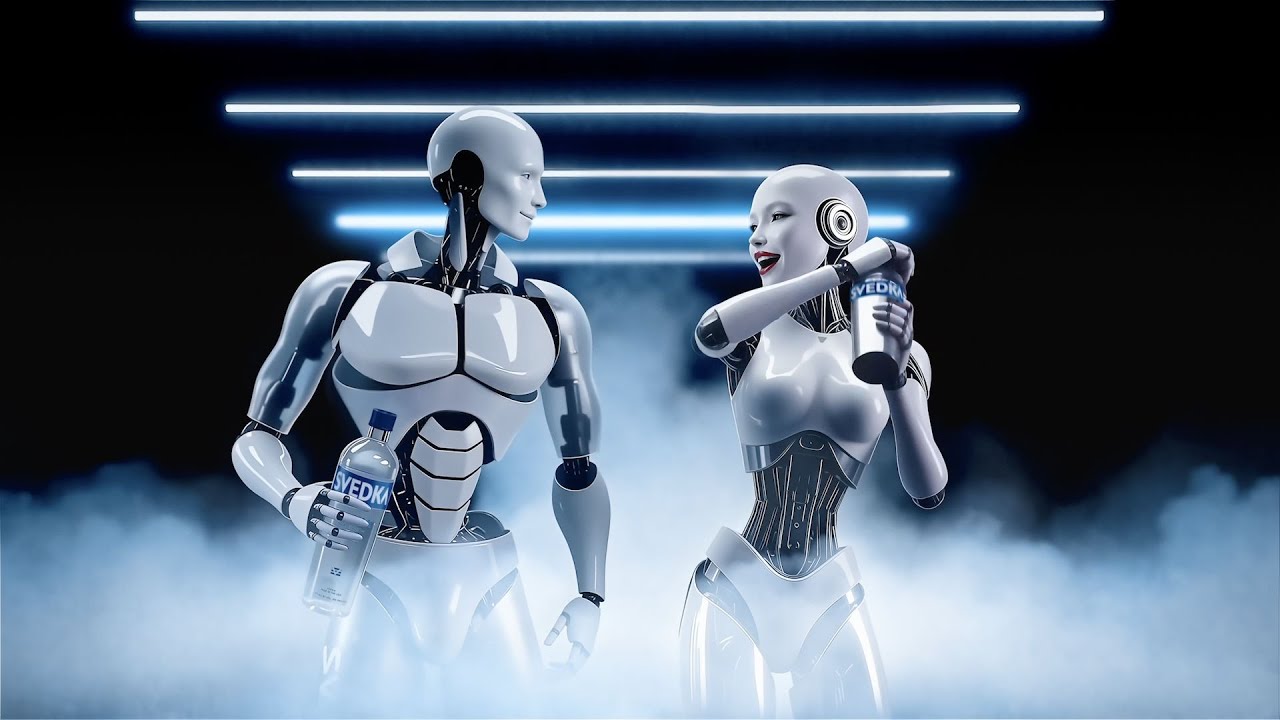
One of the clearest AI-produced ads of Super Bowl 2026 came from Svedka. The spot doesn’t try to hide its artificial look, with over-the-top movement and clearly artificial visuals.
What makes the ad work is how Svedka fully embraces the idea of an AI-created world, landing as playful and self-aware rather than trying to pass as something else.
Pepsi Zero Sugar: going all-out on AI
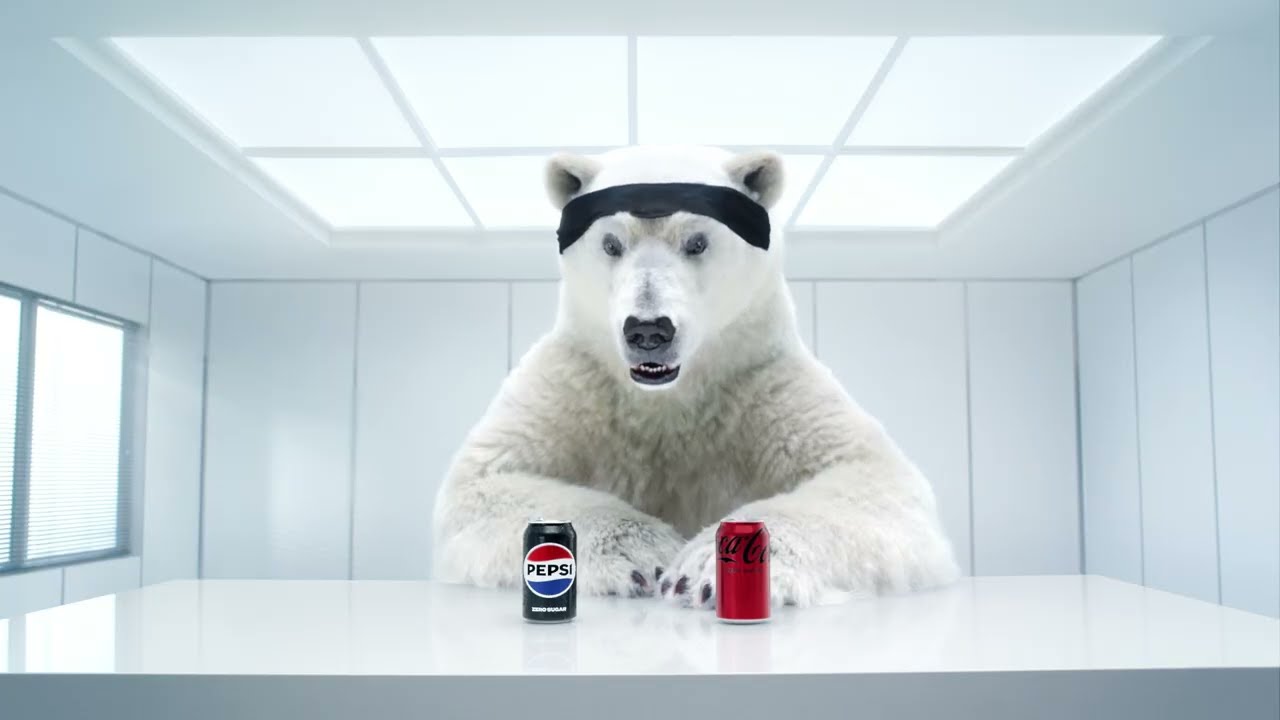
If Svedka used AI playfully, Pepsi Zero Sugar takes things even further. This ad doesn’t just include AI, it builds the entire visuals around it. From an over-the-top scenario to motion that doesn’t aim for realism, nothing here is trying to look natural or real.
Pepsi doesn’t use AI as a small add-on to a traditional commercial — it makes it the core idea, keeping the story fast-moving while enabling concepts that would be slower to produce with traditional methods.
Xfinity: when AI disappears into the story
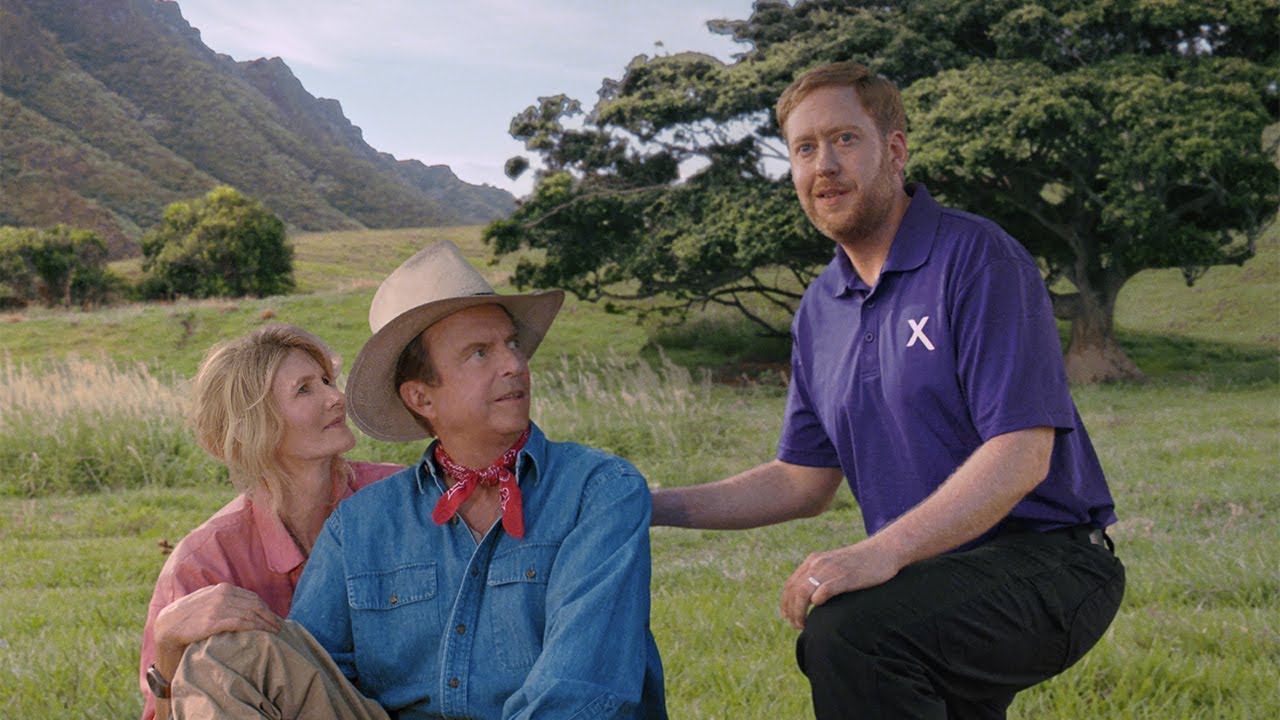
Comcast did the opposite with its Xfinity dinosaur spot. On the surface, the ad calls back to 1993’s Jurassic Park, and all of its nostalgia, fun, and familiar characters. Dinosaurs take over the screen, chaos follows, and the joke lands.
What stands out is what you might not notice. The dinosaurs feel detailed and expressive, and they blend naturally into the live-action scenes, all with solid lighting and smooth movements, without pulling your attention away from the story.
The ad never mentions how it was made, but this level of realism would be hard to get to without using AI, letting the main idea work without the focus shifting to the impossibility of the situation.
Budweiser: using AI without letting it steal the emotion
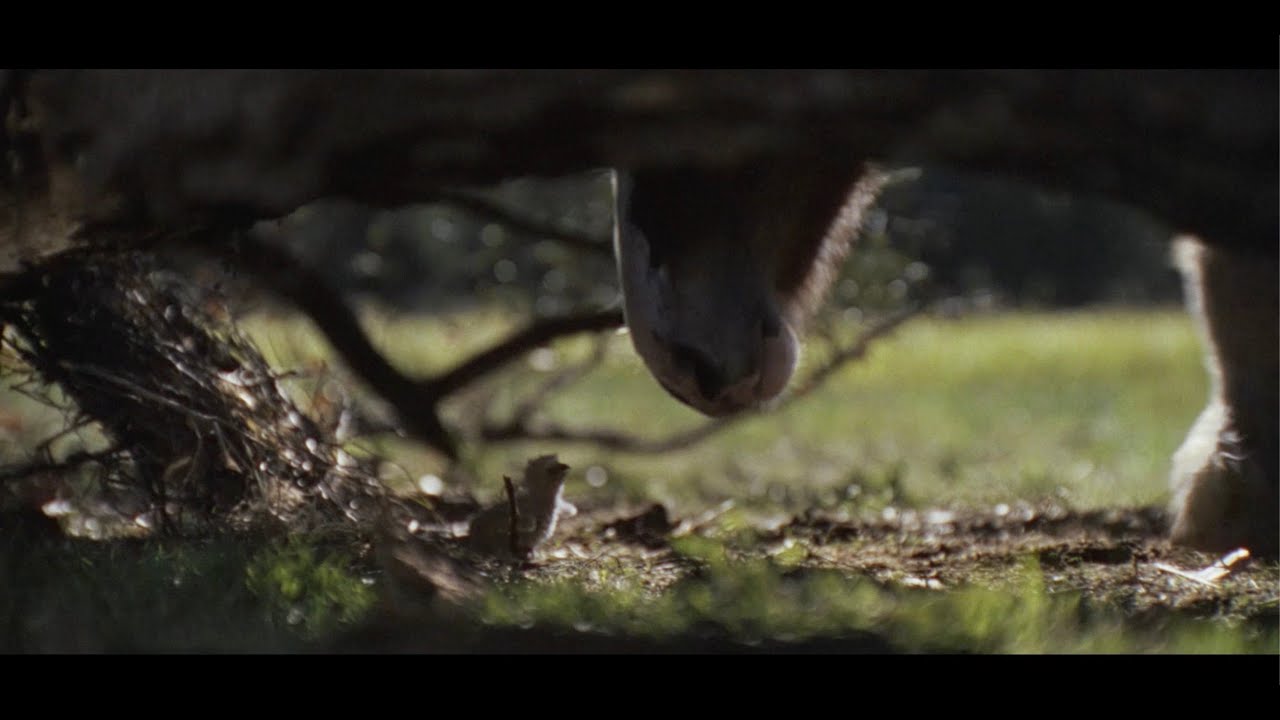
Budweiser took a very different approach, with no flashy transformations or any obvious “that’s AI” moments. The ad focuses on emotion, and the kind of cinematic storytelling Budweiser’s known for.
But what stands out is how it all feels obviously produced. The animals move naturally, are shown from perfect camera angles, appear in consistent lighting, with richly detailed environments that don’t distract from the story. It all feels super controlled.
It’s clear that the AI is working quietly in the background, refining the animal’s motions, smoothing out the transitions, while keeping all focus on the ad’s story.
Amazon Alexa+: AI’s seen but not heard
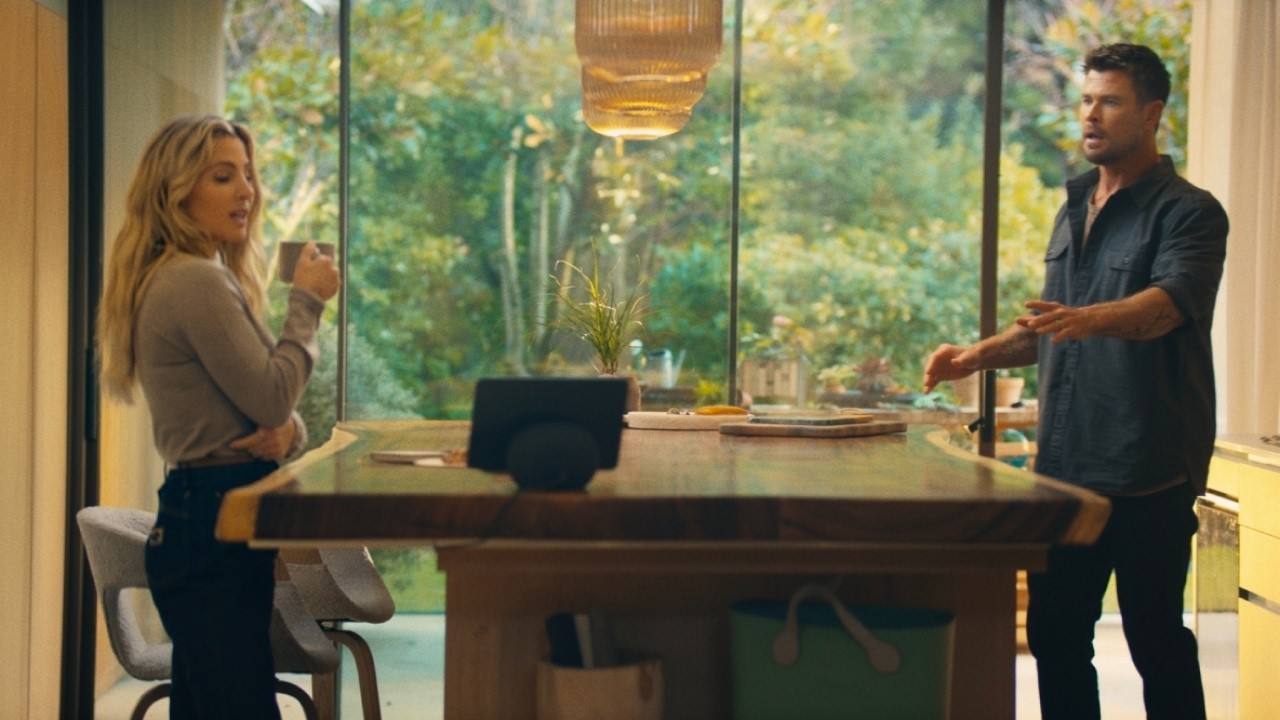
The Alexa+ ad from Amazon starts by showing AI as part of everyday life. At first, Alexa feels helpful and familiar, quietly fitting into normal routines.
AI eventually takes center stage when an AI-generated bear threatens Chris Hemsworth, weaving the technology directly into the story. The ad positions AI both as a product and as a creative tool, used to create a slow-building, playful sense of terror.
Meta: AI as background support

With Meta, AI is the concept. The visuals look designed rather than filmed, with a sense of control that seems like a solid use of AI quietly working behind the scenes.
What’s striking is how normal it all feels — there’s no big reveal or explanation needed. Meta’s spot reflects a broader creative shift: AI is no longer just something to experiment with, but a core part of the brand’s creative process.
Manscaped: AI-generated controlled silliness

The Manscaped ad leans into exaggerated humor, with a dramatic song and an over-the-top hairball as the main joke. It’s silly on purpose, but stays controlled.
The use of AI creativity is shown through the level of control. The hair, the water, and the close-ups are tightly controlled, even when the visuals get absurd. AI helps push the joke further without losing clarity, supporting the comedy rather than replacing it.
Bosch: control, no flash needed

Bosch keeps clean visuals, controlled environments, and there are clearly no accidents or hallucinations here. It’s clear that AI fits naturally in the background, helping everything stay consistent, without adding unnecessary flash or distraction. The whole ad feels produced, but not overly, and shows how AI can be used in existing brand language without needing to change it.
How the Super Bowl ads sparked Artlist’s creative response (with 5 days to spare)
This year’s Super Bowl conversation also sparked a wider creative response, with creators and studios reacting to the ads, remixing ideas, and experimenting with similar tools and styles.
Artlist was inspired to create its own Super Bowl ads, Artlist’s team produced three short Big Game spots in just five days, each one playfully nodding to iconic Super Bowl ads from previous years, and combining live action, animation, and AI. It also added a creative challenge for Artlist users, opening the door for creators to explore how AI and modern workflows are shaping commercial storytelling.
What all of this adds up to
In the end, it wasn’t about whether AI was used, but how well the story landed. Across Super Bowl 2026, AI appeared in many forms — sometimes obvious, sometimes invisible — shaping the look of some ads while quietly accelerating production for others.
What also stands out this year is how much of this work depends on creativity that’s not just visual. Even while using AI, these ads also need strong music choices, sound design, and other licensed assets to really pack a punch, whether it’s emotional, humorous, or serious.
Super Bowl 2026 shows us that AI is no longer just a novelty. It has become part of how ads are planned, built, and delivered, whether audiences notice it or not. Whether AI was involved or not, creativity and storytelling still remain the deciding factors.Get inspired by the biggest commercials of the year and start creating with the Artlist AI Toolkit today!


Did you find this article useful?


