


Today, it’s almost impossible to imagine not having autofocus (AF) in your camera if you’re a photographer. Unless you’re a manual vintage lens purist, autofocus has become inherent to photography. Even filmmakers and videographers, more reluctant about using autofocus years ago, have embraced this technology, making their lives easier, especially under certain conditions.
The history of the autofocus
However, although many take this feature for granted, autofocus was not incorporated into mass production until 1977 with the Konica C35 AF. Leica developed prototypes before, but manual focus was the norm until the leading players in the industry standardized the system. In 1978, the Polaroid SX-70 was the first single-lens reflex camera to feature autofocus. Still, this was in the 80s when the first SLR 35mm camera appeared (the Pentax ME-F). In that decade, Nikon, Canon, and the rest of the brands switched to electronic mounts, allowing full communication between lens and body.
What are the differences between autofocus and manual focus in a camera
The debates continue about the pros and cons of autofocus vs manual, So, what exactly are the main differences?
Autofocus is a modern feature where your camera automatically adjusts the lens to make the subject sharp and clear. This saves photographers and cinematographers time and effort, as well as potential mistakes. As you’ll read below, modern cameras use various autofocus systems, like contrast detection, phase detection, or even hybrid systems, to quickly and accurately find the right focus.
Autofocus is especially useful for capturing fast-moving subjects, shooting in changing conditions, or when speed and convenience are priorities. Many cameras offer different autofocus modes, such as single focus for still subjects and continuous focus for tracking movement, giving photographers flexibility in all kinds of scenarios.
Meanwhile, manual focus requires the camera operator to physically turn the focus ring on the lens to achieve sharpness. While it does take more skill and attention, some will argue that manual focus potentially offers greater precision, making it ideal for situations where autofocus might struggle, like low-light environments, macro photography, or shooting through obstacles. It’s true that some photographers prefer manual focus for artistic control, ensuring every aspect of the composition is intentional.
Ultimately, autofocus streamlines the process, while manual focus gives a little more creative control — both tools serve unique purposes depending on the shot, and it’s up to you which is best suited for your needs.
| Factor | Autofocus | Manual Focus |
| Operation | Automatically adjusts focus based on the camera’s settings. | Requires the photographer to manually turn the focus ring on the lens. |
| Speed | Generally faster, especially in good lighting conditions. | Slower as it requires human input to adjust the focus. |
Ease of use | Ideal for beginners or fast-moving subjects where quick adjustments are needed. | Requires practice and skill, better for controlled environments. |
| Accuracy | May struggle in low light, busy scenes, or with subjects lacking contrast. | Can be more precise, especially in tricky or low-contrast situations. |
| Control | Less control over the focus area, relies on the camera’s algorithms. | Full control over the focus, allowing more creative freedom. |
| Lens/camera dependent | Relies on the camera’s auto-focus system and lens compatibility. | Works with most lenses, but requires manual operation. |
| Battery usage | Typically consumes more battery because the camera is constantly adjusting the focus. | Uses less battery since the camera isn’t actively focusing. |
| Common use | Ideal for general photography, portraits, action shots, or when focusing speed is a priority. | Ideal for macro photography, landscapes, or when fine control is necessary. |
| Subject tracking | Can track subjects moving within the frame. | Requires constant manual adjustment to keep moving subjects in focus. |
2 AF systems
Brands continued developing the 2 primary AF systems in photo and video cameras: phase detection and contrast detection.
Phase detection
Faster but requires a more complex system to work accurately.
Contrast detection
Needs more time to work, but the mechanism is not as complicated since the information is taken from the electronic image of the scene.
DSLRs had phase detection autofocus, making them faster and more accurate than mirrorless cameras, which used contrast-based detection. However, most cameras nowadays use hybrid AF, taking advantage of both systems.
Each brand has developed its technology, like Canon, with its Dual Pixel AF. Continuous AF and eye detection technology have made creators’ lives easier, allowing them to film and take pictures without worrying about focus.
Types of autofocus
Let’s introduce the 2 autofocus modes available in most cameras: single autofocus and continuous autofocus.
Single autofocus
Single autofocus stops once it focuses on the subject. After that, you take the picture or release the button to focus again. This mode is great for static subjects.
Continuous autofocus
For moving subjects, however, it’s better to use continuous autofocus. If you are photographing or filming moving subjects like animals, kids, sports, etc., this mode will continuously adjust the focus to ensure a sharp image.


Who can use autofocus?
Photographers
Almost all photographers will benefit from AF. As mentioned, continuous autofocus is a must for nature, sports, events, and children’s photography. In situations where you need to be quick, such as street photography, autofocus will make the difference between getting a picture or not.
If you are a photographer working in a controlled environment, such as product photography, or an artist who loves manual focus, you can live without autofocus. However, the rest of us will need it.
Filmmakers
There is widespread belief among some filmmakers that you should not use autofocus. ‘Real filmmakers don’t use autofocus.‘ This is a shallow statement that considers only certain kinds of filmmakers.
Of course, pulling focus is an art and a skill that will benefit any filmmaker. In a controlled environment, with a crew and a focus puller helping you, the human touch and rhythm—even with its imperfections—can’t be replaced by an autofocus system.
Autofocus has come a long way over the years. The level of precision nowadays is almost scary. Also, wedding, nature, and sports filmmakers, content creators, and self-shooters… are also filmmakers, aren’t they? So, a solid autofocus system will be the only way to get the shot in certain situations.
Documentary, event, and wedding filmmakers
Although experienced camera operators love to focus manually, technology can help us in uncontrolled situations. Continuous autofocus will determine whether we get the shot or miss it for some b-roll (crowds, people moving, animals, events, etc.).
Vloggers and content creators

Video creators and vloggers will benefit from continuous autofocus (in fact, some content would be impossible to produce without it). And even if the eye-tracking feature misses your face once or twice, its use will be worth it.
Stock footage videographers
Filming nature or moving environments (birds, surf, skate, etc.) for stock footage sites will get more shots with a good autofocus camera than without it.
Small crews
If you work with a small team, you may not have a focus puller. However, if you are filming an interview and directing it, the eye-tracking feature will ensure your subject is in focus, especially in close-ups where the depth of field is shallower.
Cameras with the best autofocus
There’s an autofocus camera for every budget. Check out our picks.
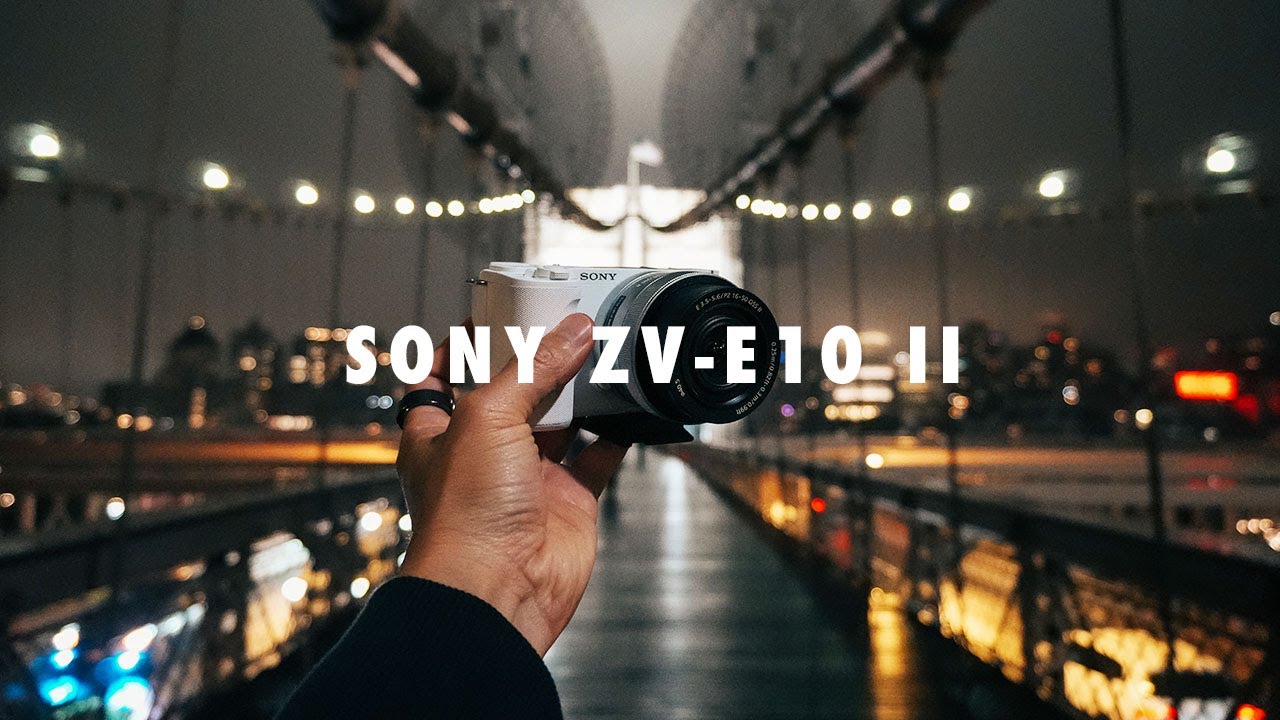
Best Budget Option: Sony ZV-E10 II
The Sony ZV-E10 II is an entry-level APS-C mirrorless camera that’s aimed at vloggers and beginner videographers. Despite being so affordable, it offers some impressive video capabilities, including 4K recording and a fully articulated screen (ideal for vlogging). Its compact design and user-friendly interface make it a perfect choice for beginners looking to explore the world of filmmaking without a significant financial investment.
Filmmaker Andy To puts it through its paces in the video below.
Best Mid-Range Option: Panasonic LUMIX S5 II
The Panasonic LUMIX S5 II strikes an excellent balance between performance and price, making it a standout choice for mid-range budgets. Equipped with a full-frame sensor, it delivers exceptional video quality with up to 6K/30p recording capabilities. The camera’s advanced autofocus system and reliable in-body image stabilization ensure sharp, steady footage that can cater to both amateur and seasoned videographers seeking professional results without breaking the bank.
Chris Hau’s Svalbard film is a stunning example of what this workhorse is capable of.

Best Professional Option: Sony FX3
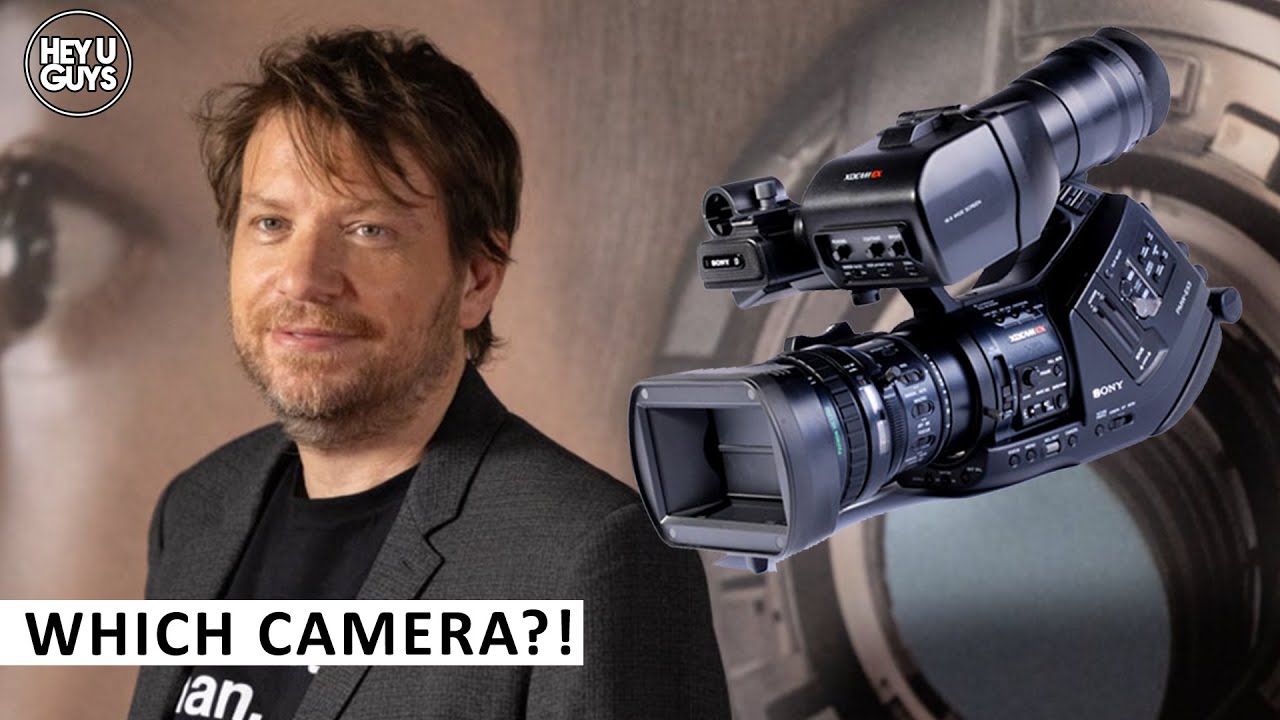
Sony has, for a while now, been an industry-leader when it comes to autofocus capabilities. For professionals who are demanding top-tier performance, the Sony FX3 stands out as a compact yet powerful cinema camera. Featuring a full-frame sensor and advanced video capabilities, including 4K recording at up to 120 fps, it delivers exceptional image quality. Its ergonomic design and comprehensive video-centric features make it the preferred choice for filmmakers seeking a reliable tool for high-end productions.
The camera is perhaps most well known for filming the sci-fi blockbuster The Creator. Here’s director and writer Gareth Edwards geeking out about it!
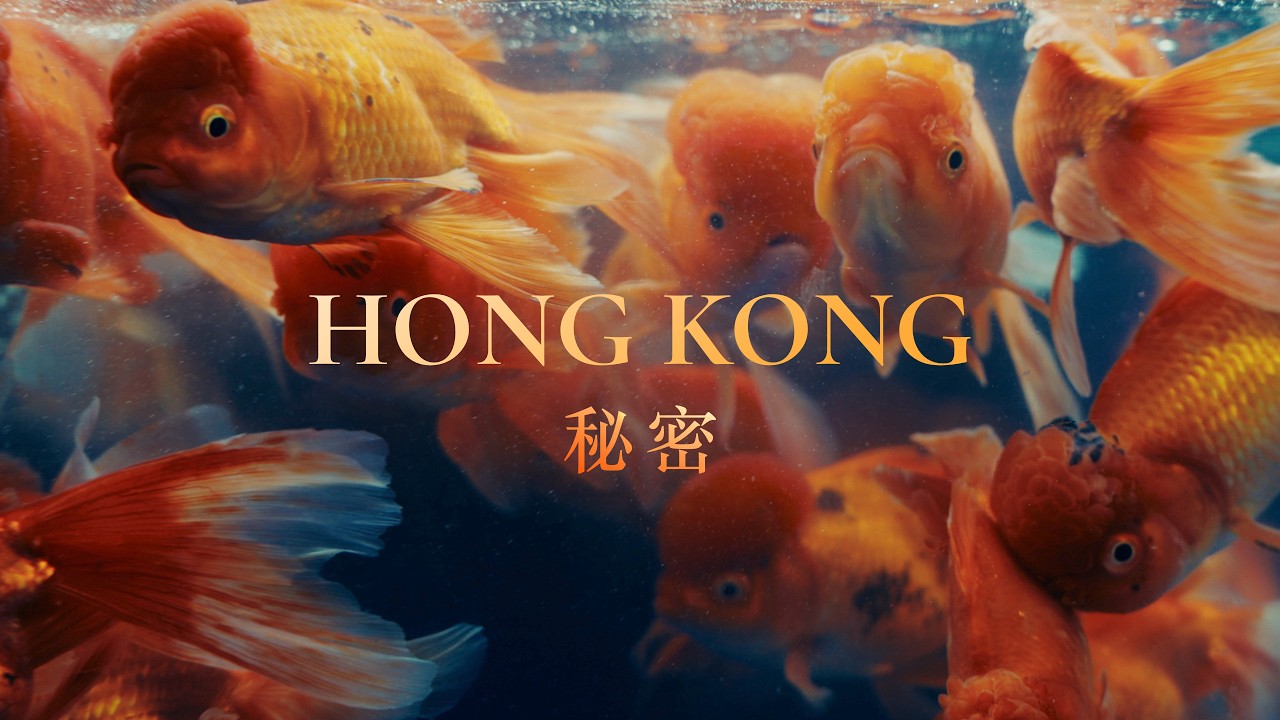
Meanwhile, Reilin Joey’s Secrets of Hong Kong is just one of the many exceptional examples of cinematic work shot on this cinema camera.
Did you find this article useful?


