


Humans love music. That’s a scientific fact. Researchers have found that music activates the limbic system, which controls emotions and memory, and stimulates the part of the brain that interprets patterns. Plus, music is a shared, cultural experience.
So music is a crucial element within content creation. It’s the best way to connect with your audience and channel the emotions you want to convey, elevating work from good to unforgettable. This is particularly important in the creator cycle, which is constantly changing with new trends forming every other second.
If creators need catchy, emotive, and memorable music fast to keep up with the pace of the industry, then there’s only one music library that makes sense.
Artlist has an extensive royalty-free music catalog and AI Music designed to meet the needs of every creator. Both are powerful tools for finding high-quality, unique tracks fast — and in this article, we cover why royalty-free music and AI music are crucial for creators, when and how to use them, and why they work great apart, and even better together.


What is royalty-free music?
For creators, royalty-free music is the gift that keeps on giving. You have unlimited use, and instead of negotiating fees and licensing every time your video, podcast, or ad gets views, you simply pay for the track once, and you’re free to use it according to the license. It’s the best way to find good music fast without any legal headaches.
How it works
Artlist’s library has tons of royalty-free tracks to choose from. You can search by mood, tempo, or genre, download and drop it into your content without having to worry about payment — it’s all included in your Artlist plan.
For example, when you write “upbeat” into Artlist’s search box, you’ll find a whole range of tracks to suit that mood. This is ideal for all the creators out there who need to quickly generate content without spending hours searching for music. It’s kind of like having a ready-made, instantaneous soundtrack at your fingertips.
Why pros love it
- It protects you from copyright strikes, demonetization, or content takedowns.
- You get music that suits your creation without having to make it yourself.
- It gives you freedom to experiment — you can try out a range of tracks across different projects without paying extra.
- Royalty-free music is fast, legal, flexible and fun, and that’s why marketers, YouTubers, podcasters, filmmakers, and social creators love it.
What is AI music?
AI music is created by algorithms. You simply tell your model what genre, mood, energy and tempo you want, and it creates a track based on that information.
With AI music you can:
- Generate songs in any language
- Create full-length tracks with intros, verses, choruses, and endings
- Generate realistic, expressive vocals
- Custom-create lyrics or AI-generated lyrics
- Reference images to guide mood and feel
- Create tracks that are licensed and safe for ads, campaigns, and productions
- Recreate and reuse your songs with the same settings
Creators use AI music in many ways: by writing a description and generating music that matches a mood or theme (text to music), or uploading an image and creating a track inspired by it (image to music).
The beauty of AI music is its speed and flexibility. Need a 30-second upbeat track for TikTok? Done. Want a moody, cinematic vibe for a YouTube short? Easy. AI can generate the music you want in minutes, so creators don’t have to spend hours searching through libraries or commissioning composers. It also means you can experiment with genres or ideas, and you might just find a brand new way of soundtracking your content as a result.
Why it’s growing so fast
AI music is exploding at the moment because people are looking for faster, more affordable ways to make their content stand out, and it’s fun. You get to create your own soundtrack, personalize elements to suit your taste and experiment with new sounds. Platforms are integrating AI music tools directly into apps, and creators are sharing AI-generated tracks that go viral, which then dominate social feeds.
Recently, several tracks have blown up purely because they’re AI-generated. On TikTok people use AI music for crazy mashups or emotional clips that get millions of views. Some creators even combine AI tracks with royalty-free sound effects, layering them on top of each other to make something totally unique and shareable.
So AI music gives creators a brand new superpower: instant, customizable soundtracks that can match any mood, theme, or visual. It’s fast, experimental, and increasingly a must-have for content creators. And it’s no longer a novelty; it’s a practical way to soundtrack your videos.
Examples of viral AI tracks
If you’re anywhere near the internet these days, you’ll be familiar with some of these viral AI tracks:
“Heart on My Sleeve” (Tay‑Lo / Drake + The Weeknd AI)
This isn’t an official release, but is one of the most talked about AI music moments. In 2023, a track surfaced sounding like Drake and The Weeknd together. It was created using AI vocal synthesis and shared widely across TikTok, YouTube, and streaming platforms before being taken down. Not before the clip got millions of views and sparked huge discussion about AI’s ability to mimic superstar voices, though.
“Papaoutai (Afro Soul)” (2025 cover)
This is An AI‑generated reinterpretation of Stromae’s hit Papaoutai. It gained huge traction on Spotify and then surfaced in TikTok videos, amounting to millions of streams.
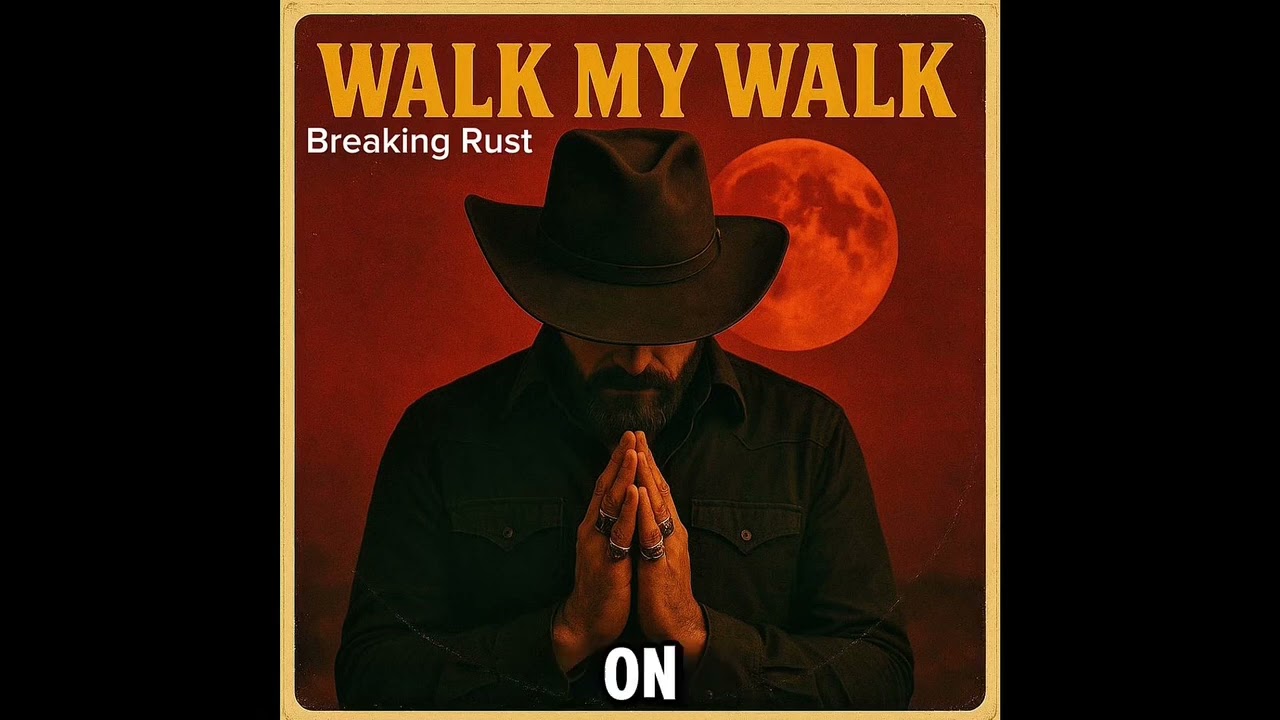
Breaking Rust
This is an AI-generated act that’s seen huge streaming success with tracks like “Walk My Walk” and “Livin’ on Borrowed Time”. They even topped the Billboard Country Digital Song Sales chart — the first AI act to do so.
The real difference between royalty-free and AI music
It all comes down to how they’re created. Royalty-free music is pre-composed by professional artists. It’s consistent, polished, and fully licensed, making it so it’s ideal for projects where quality and reliability matter, like brand campaigns, films, or long-term content. That’s what Artlist’s best known for, and soon, creators will be able to create their own songs with a new kind of music model, such as Lyria 3.
AI music is generated on demand using algorithms. It allows creators to customize tracks for mood, tempo, or style in seconds. It’s ideal for rapid content creation, especially in a world where social media rewards speed and freshness.
While royalty-free music guarantees a premium, tried-and-tested sound, AI music offers endless possibilities for originality, which gives creators the freedom to explore ideas that wouldn’t otherwise exist.
But it’s important to remember the two aren’t mutually exclusive — using them together is a smart way to improve workflow and ensure every project has the perfect soundtrack tailored to your needs.
| Feature | Royalty-free music | AI Music |
| Speed | Ready to use immediately; no generation needed | Instant creation from prompts, but may require multiple attempts |
| Customization | Limited to what’s in the catalog; minor edits possible | Highly customizable to mood, tempo, or style |
| Quality consistency | High and reliable; professionally produced | Variable; may need tweaking to reach professional polish |
| Uniqueness | Widely used; recognizable sounds common | Unique on demand; tracks generated specifically for your prompt |
| Reliability | Dependable; ready for production | Can be unpredictable; some outputs may not fit the project immediately |
| Best for | Professional projects, campaigns, ads, films | Fast social content, prototypes, experiments |
| Licensing confidence | Fully licensed for commercial use; reduces copyright risk | Licensing can be less clear; platform rules must be checked |
| Workflow & integration | Easy to drop into DAWs, video editors, or social platforms | Works with editing software but may need extra processing or format conversion |
Stock music vs AI music: why you need both
Creators don’t need to choose between royalty-free catalog music and AI-generated tracks because the most efficient workflows combine both. It’s the best way to save time, maintain quality, and keep content fresh.
For example, you might use AI music for ideation (i.e., generating a quick track to test a vibe or soundtrack a rough cut of a video) — and then swap in a royalty-free track from a catalog for the final cut. This approach lets you experiment while maintaining professional standards.
Another workflow could involve using royalty-free music for brand identity for a consistent, recognizable sound across campaigns. At the same time, you can use AI music for daily content on social platforms like TikTok clips, Instagram Reels, or YouTube Shorts. That’s where AI music shines, as it’s unique, flexible, and quick to generate.
And there’s plenty of other ways to blend the two. You can use an AI-generated loop on top of a catalog track, or create multiple variations of a theme with AI and select the best one for a final edit. By mixing both AI music and royalty-free music, you can adapt to fast-moving trends while keeping a consistent sonic identity.
The future of music for creators
There’s huge value in catalog and AI music, and creators are now integrating them both into their workflows. Artlist has a massive catalog of high-quality royalty-free music to use alongside AI music tools, and it’s designed to cover every aspect of a creator’s process.
You can layer AI-generated loops over catalog tracks, remix elements, and explore entirely new soundscapes to create brand new audio experiences.
By integrating AI and catalog music, creators can maintain a signature audio style and respond to trends quickly, while Artlist’s tools make all of this accessible on one platform, from discovery to final export. So whether you’re working on a fast-moving social content strategy or premium film productions, your creations will work seamlessly together.
Ready to expand your musical horizons? Explore new tracks and tools on Artlist today.
Did you find this article useful?


